10 Creative Ways to Use Mural Art in Interior Design
Mural art is a powerful tool for transforming spaces and adding personality to interior design. Here are 10 creative ways to use mural art in your interior design:
1. Statement Walls
A statement wall with a mural can completely transform a room, drawing attention and setting the tone for the entire space. Whether it’s a bold geometric pattern, a stunning landscape, or an abstract design, a mural on a statement wall creates a focal point that adds personality and depth. In living rooms, statement walls with murals can spark conversations; in offices, they can reflect company values or brand identity. The key is choosing a mural that resonates with the space’s purpose and occupants. A well-designed mural can make the wall a piece of art, elevating the room’s aesthetic.
2. Theme-based Rooms
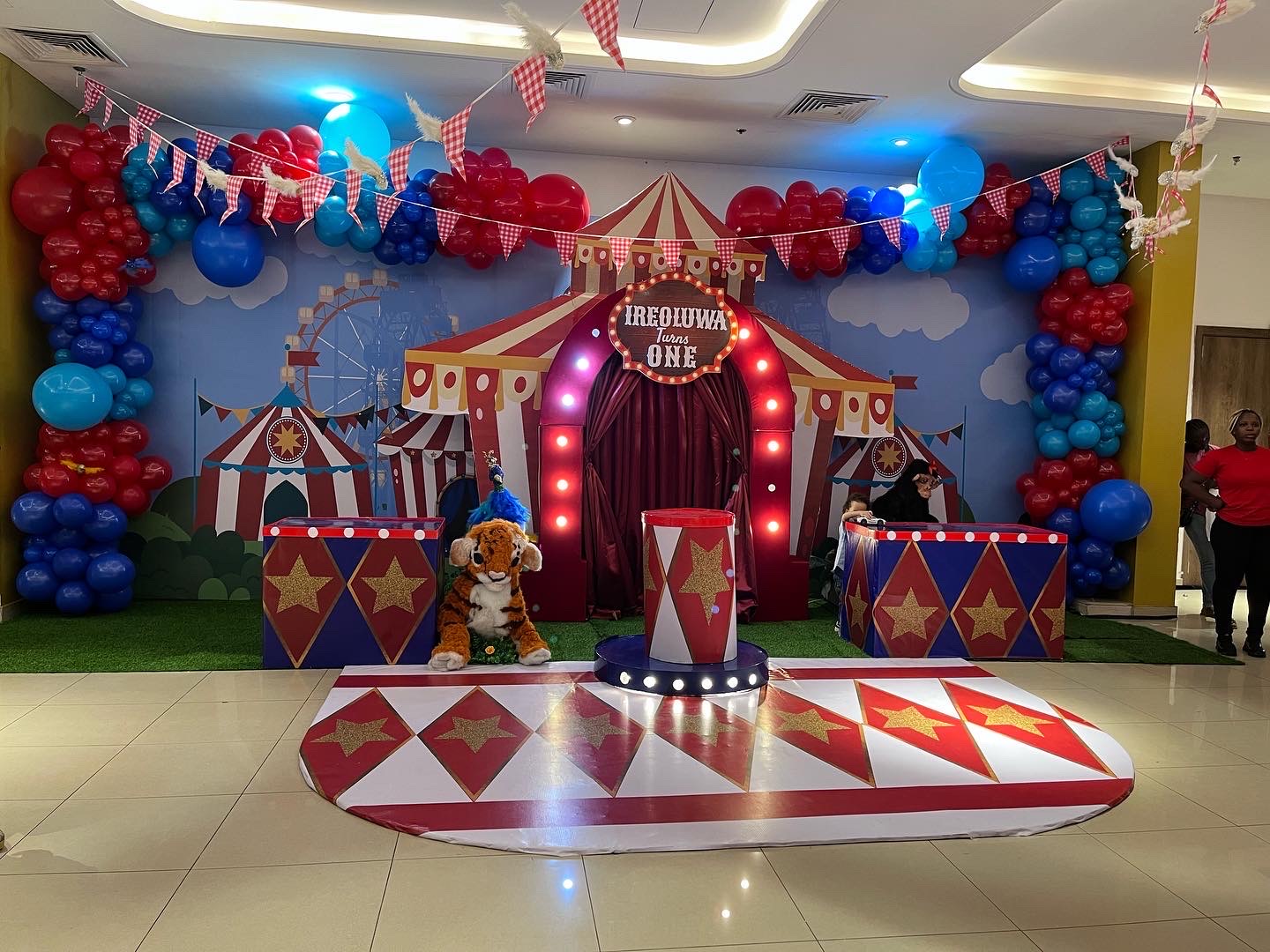
Theme-based rooms are a fun way to transport yourself or guests to a different place or era. Murals play a crucial role in bringing these themes to life. For example, a tropical-themed bedroom could feature a mural of lush greenery, palm trees, and flamingos, creating an immersive experience. Similarly, a vintage cafe could use murals to depict old-world charm. The mural sets the scene, and other design elements like furniture and decor can follow the theme. This approach works well in hotels, restaurants, or even themed playrooms.
3. Ceiling Art
Ceiling murals add an element of surprise and drama to a space. They can make a room feel grand, cozy, or whimsical, depending on the design. In spaces with high ceilings, murals can fill an otherwise empty space with art. Think of cloud-filled skies in a child’s bedroom, intricate patterns in a dining area, or abstract shapes in a modern lounge. Ceiling murals work well in both residential and commercial spaces like galleries, cafes, or event venues. They create an immersive experience and draw the eye upward, adding depth to the room.
4. Functional Art
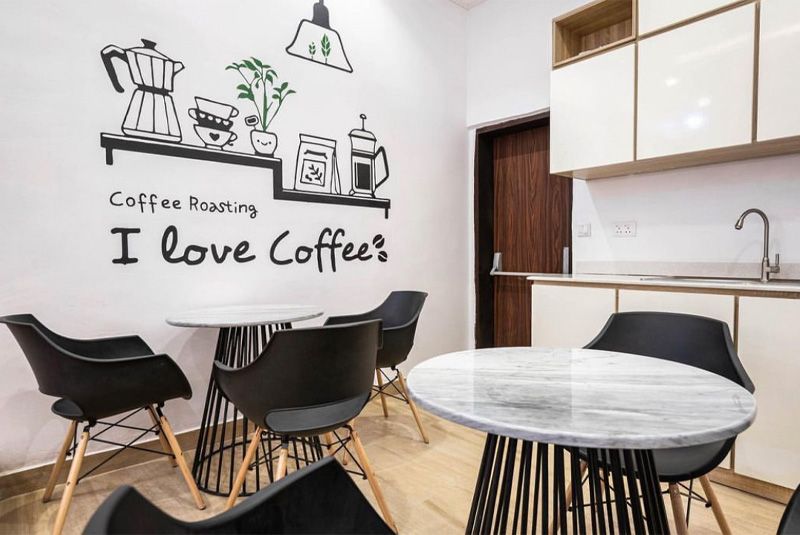
Functional spaces like kitchens, bathrooms, or workspaces can benefit from murals that add visual interest while serving a purpose. For example, a kitchen mural depicting food, ingredients, or cooking scenes adds personality and creates a lively atmosphere. In a bathroom, a nature-inspired mural can make the space feel more relaxing. The trick is to choose a design that complements the space’s function and withstands the environment (like moisture in bathrooms or food splashes in kitchens). Functional art blurs the line between utility and aesthetics.
5. Brand Storytelling
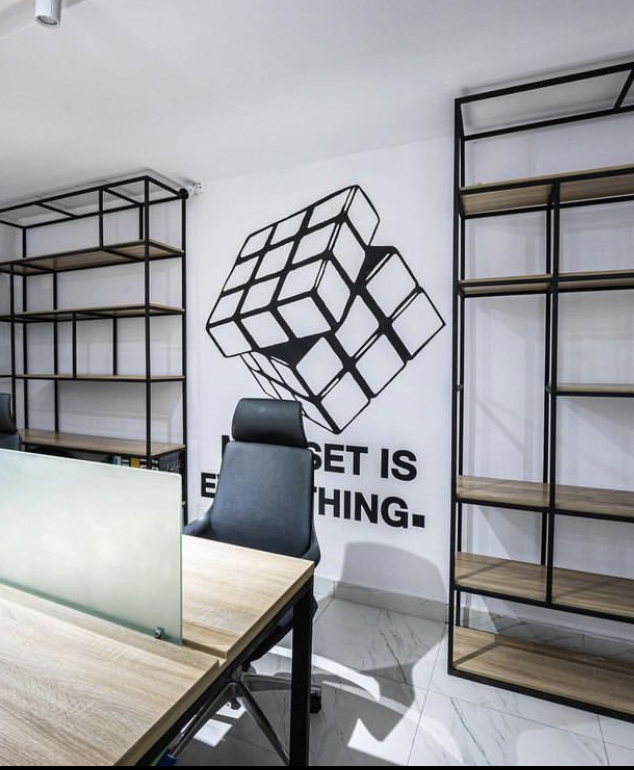
Murals are a powerful tool for businesses to tell their story or convey brand values in offices, retail spaces, or showrooms. A company with a focus on sustainability could use a mural with natural elements, green themes, or eco-friendly imagery to reinforce its message. In retail, murals can enhance the shopping experience, reflect the brand’s aesthetic, or highlight products. For offices, murals can boost employee morale or create a unique company culture vibe. It’s about aligning the mural’s message with the brand’s identity.
6. Cultural Touches
Incorporating cultural elements through murals adds authenticity and character to a space. In Nigeria, for example, murals could feature traditional patterns, motifs, or scenes reflecting local heritage. This approach works well in cultural centers, restaurants serving local cuisine, or even homes wanting to showcase their roots. Cultural murals can spark conversations, add local flavor, and create spaces that feel connected to their context. It’s a way to celebrate identity and add depth to design.
7. Nature Indoors
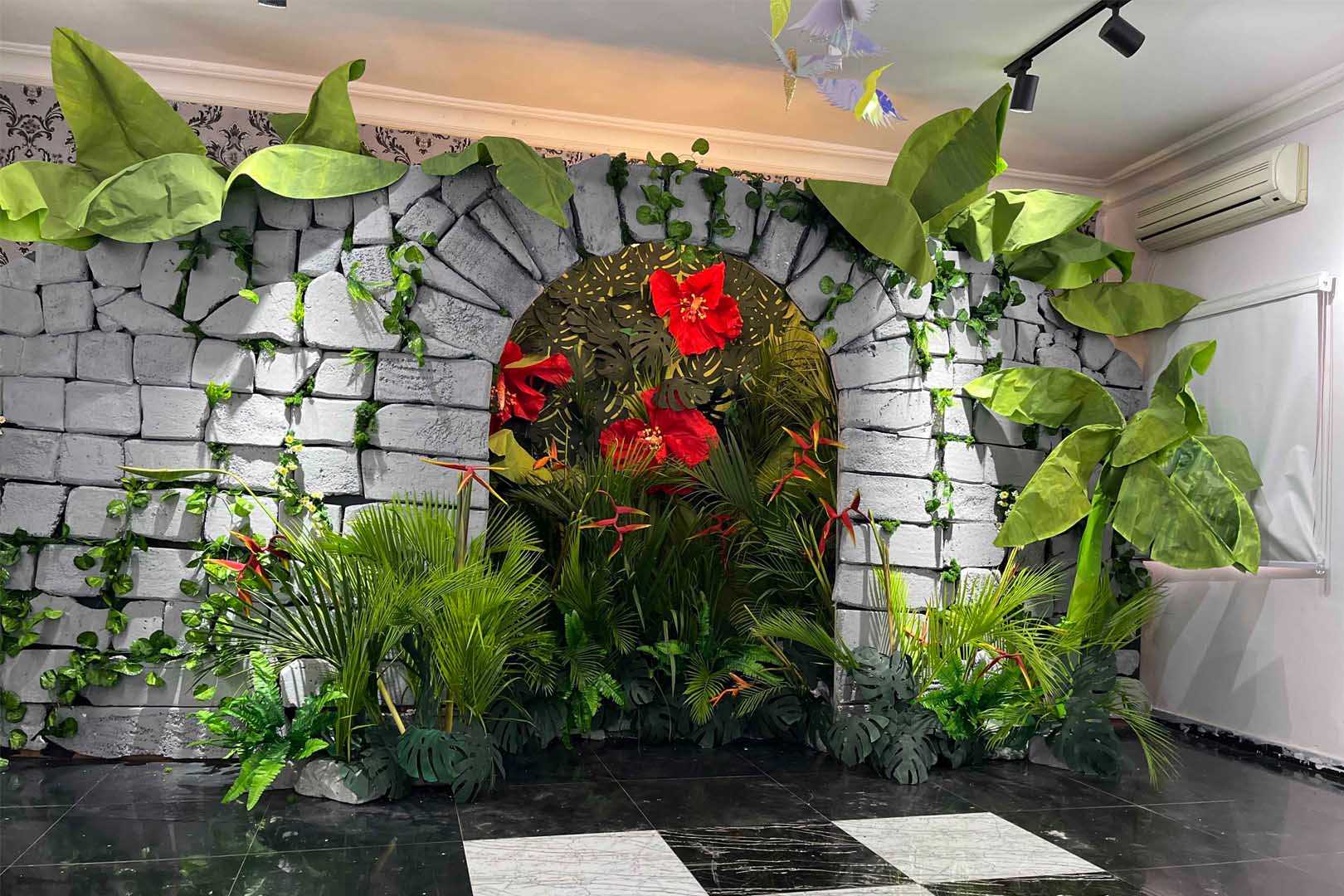
Bringing nature indoors through murals is a great way to create calming, refreshing spaces. Nature-inspired murals—like forests, beaches, or gardens—can transform a room’s vibe, making it more relaxing or invigorating. In workspaces, nature murals can boost productivity; in clinics or lounges, they can soothe. The key is choosing imagery that resonates with the space’s purpose. Even in spaces with limited natural light, a mural can create a sense of openness or tranquility.
8. Abstract Accents
Abstract murals are versatile and can accentuate architectural features, hide imperfections, or add movement to a space. Geometric patterns, fluid shapes, or color gradients can complement modern or minimalist designs. In commercial spaces, abstract murals can guide flow or highlight areas like entrances. The beauty of abstract art is its flexibility—it can fit various themes and styles. Whether you want to create energy in a gym or calm in a spa, abstract murals can shape the atmosphere.
9. Storytelling Spaces
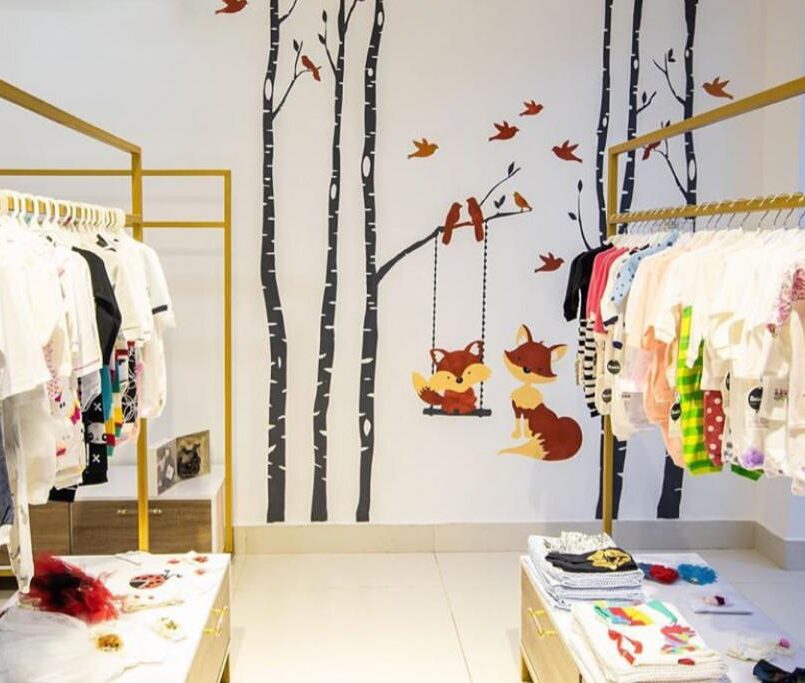
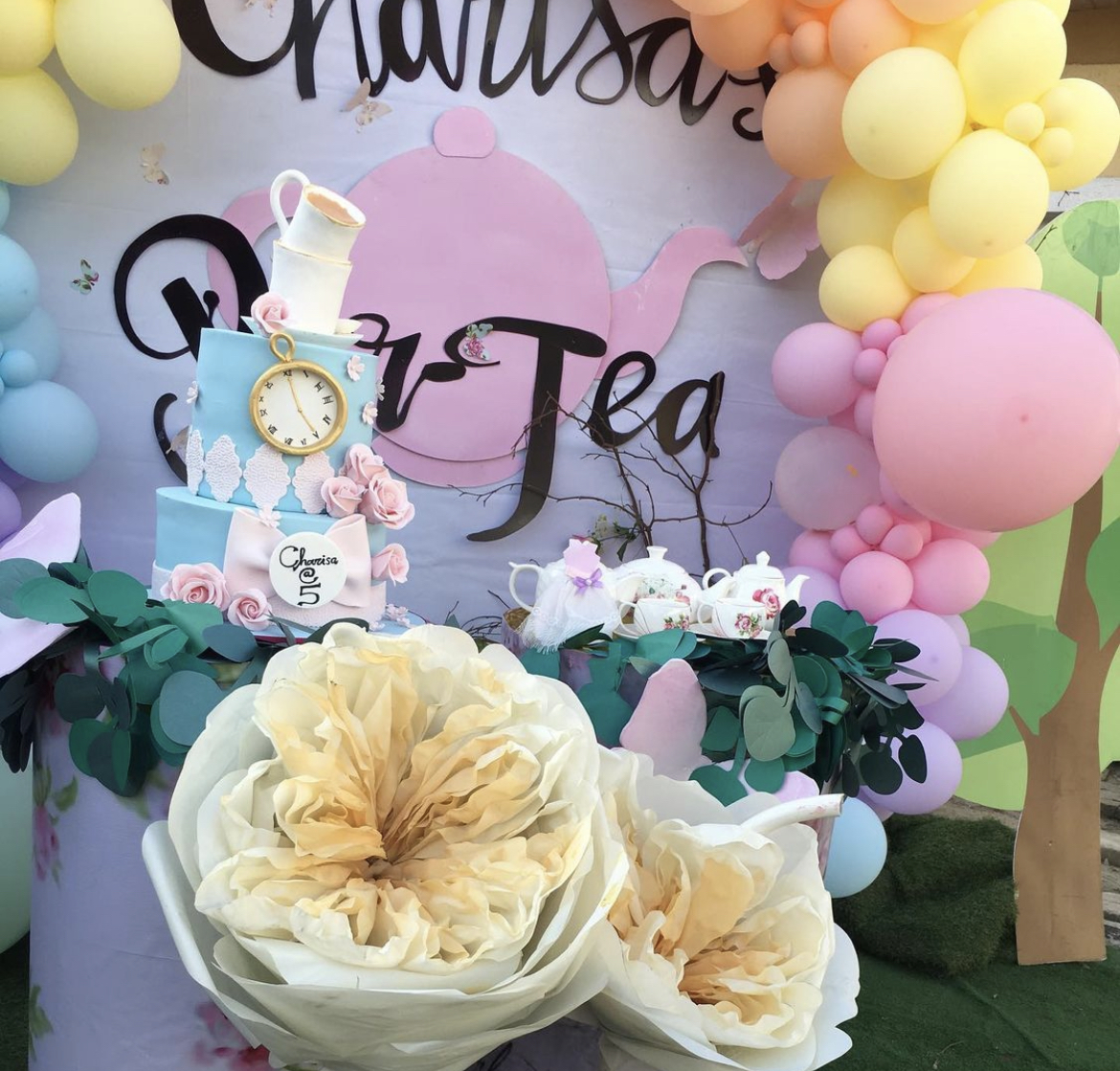
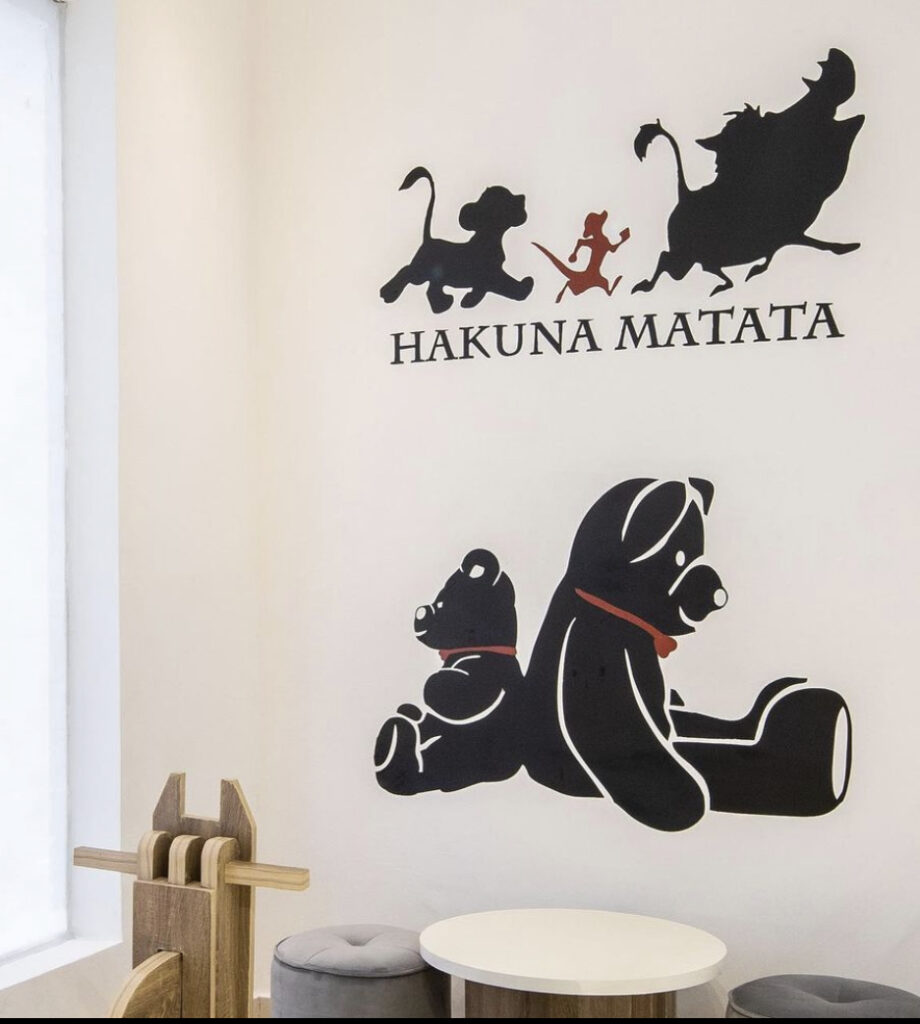
Murals depicting scenes or narratives work well in spaces meant for engagement or relaxation, like libraries, children’s rooms, or cafes. In kids’ spaces, murals with playful characters or fairy tales spark imagination. In cafes or lounges, murals with scenes can create cozy, story-like atmospheres. The mural becomes part of the experience, adding layers to the space. Choose stories that resonate with the space’s users or theme.
10. Dynamic Textures
Playing with textures and patterns in murals adds depth and visual interest. A mural combining flat elements with 3D textures creates a dynamic experience, engaging viewers on multiple levels. In commercial spaces, textured murals grab attention; in residential spaces, they add uniqueness. Think of a mix of paint, materials, or digital effects to create tactile or visually striking designs. Dynamic textures make spaces memorable and interactive.
Bring Your Vision to Life with Splendour’s Art Republic
Ready to transform your space with stunning mural art? At Splendour’s Art Republic, we create custom murals tailored to your interior design needs. Whether it’s a statement wall, themed room, or cultural touch, our expert team brings creativity and precision to every project. Let’s collaborate to turn your space into a work of art. Contact us today to get started on your mural journey!
Get in touch: mailto:info@splendoursartrepublic.org | +234 7060 483 111