



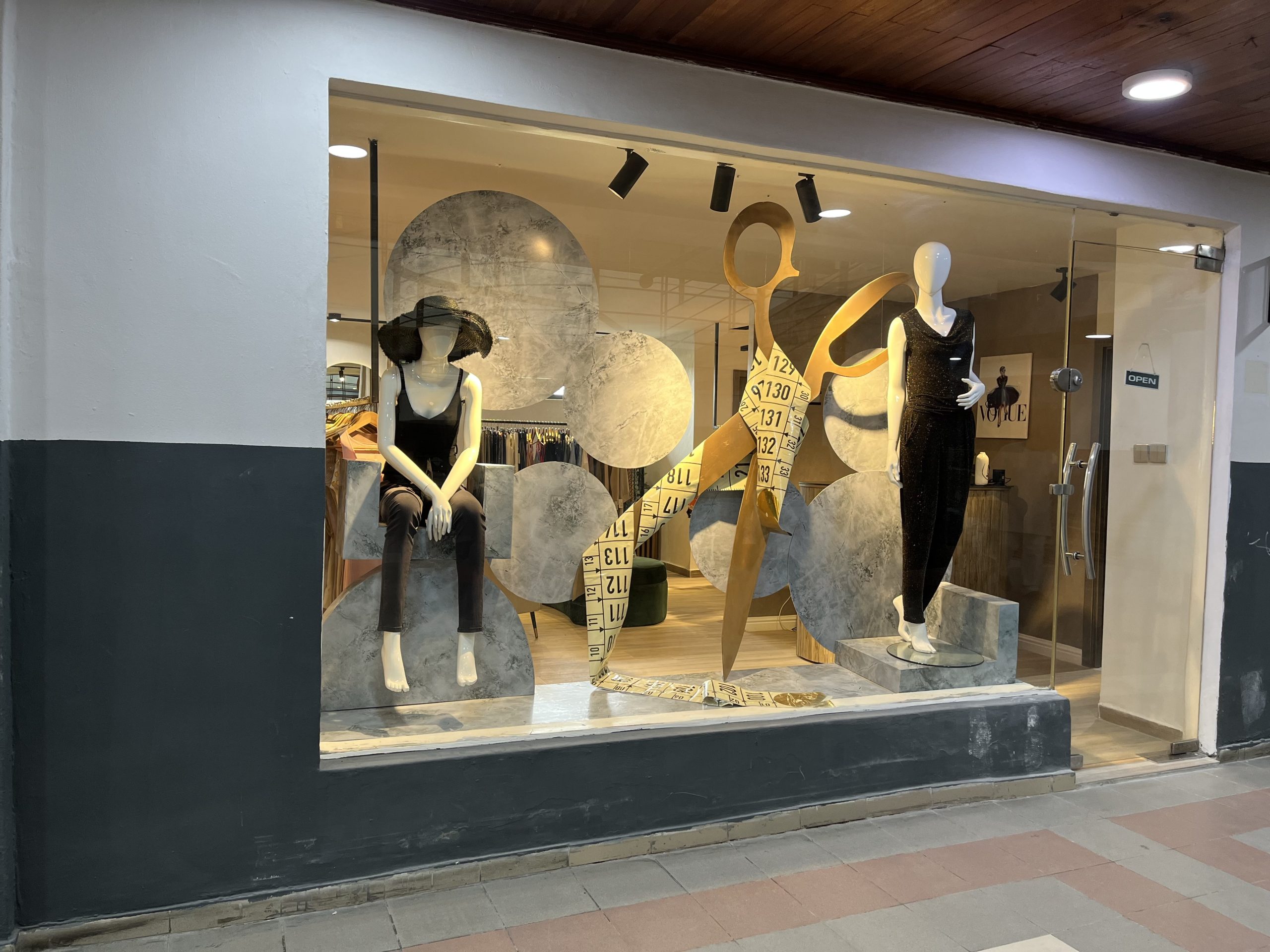
How to Choose the Right Window Display Design for Your Store: A Guide to Boosting Sales and Foot Traffic
In today’s competitive retail landscape, a well-designed window display can make all the difference in attracting customers and driving sales. In this guide, we’ll explore the key factors to consider when choosing a window display design for your store, including understanding your target audience, setting clear objectives, and leveraging visual merchandising techniques.

Understanding Your Target Audience
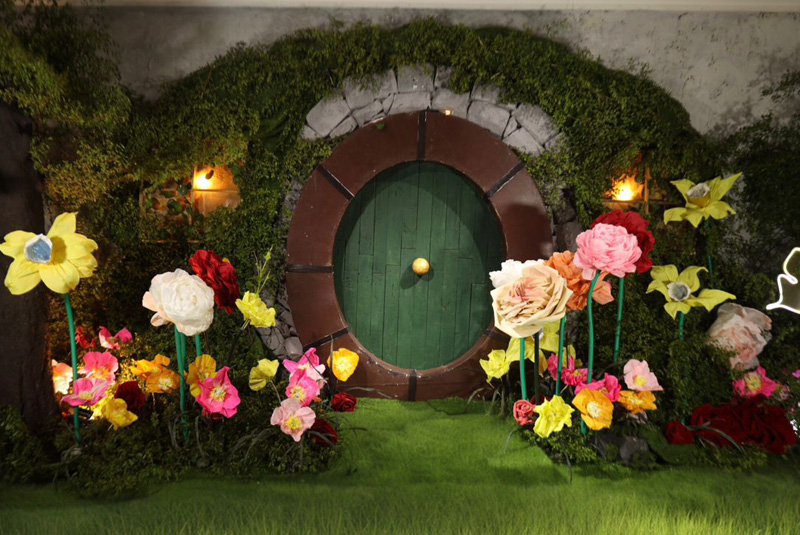
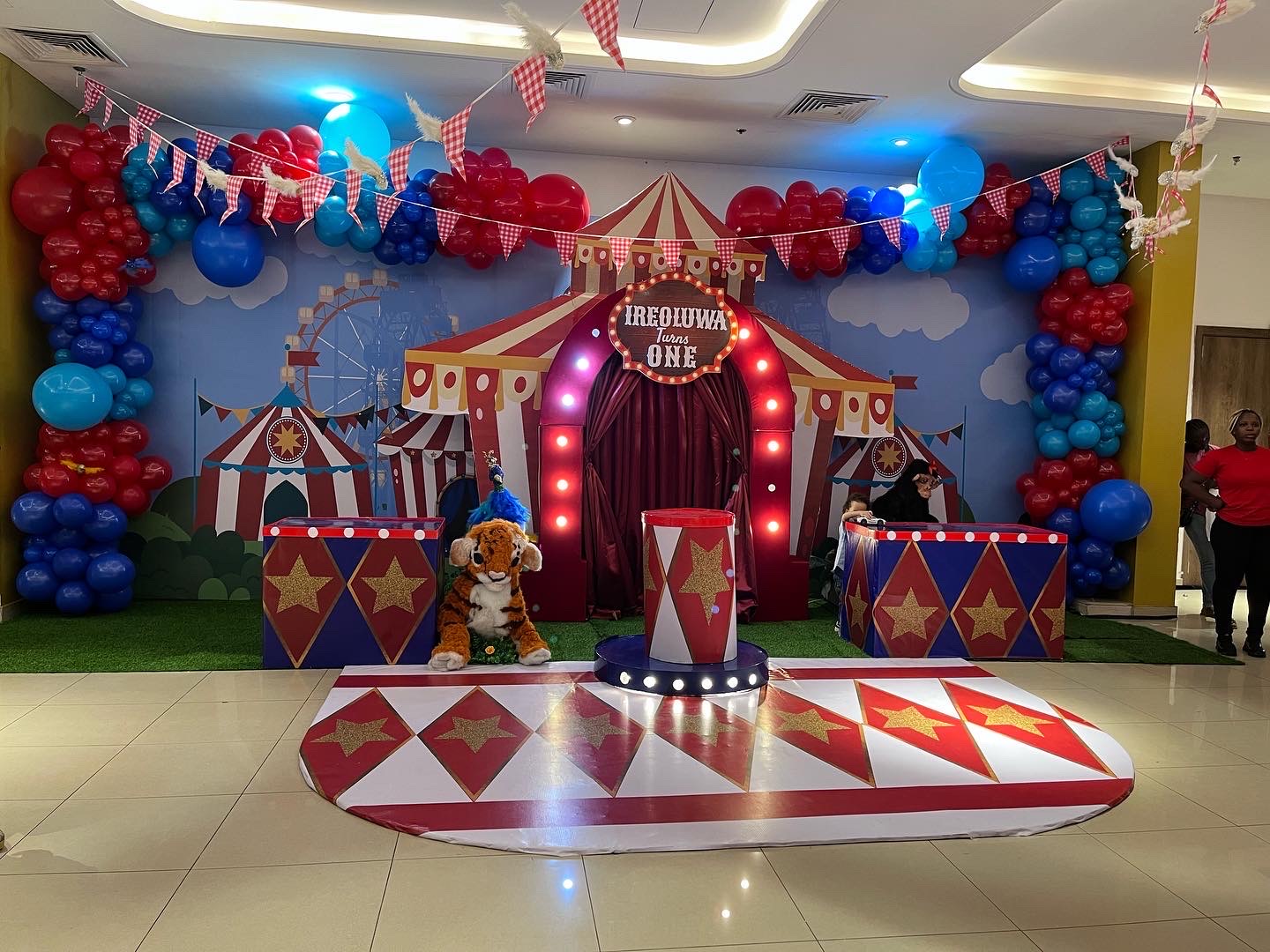
Knowing your target audience is crucial in creating a window display that resonates with them. Consider demographics like age, gender, and lifestyle, as well as their interests and preferences. For example, a fashion boutique targeting young professionals might focus on trendy, high-end designs, while a family-friendly store might opt for colorful, playful visuals. Analyze customer data and feedback to gain insights into what appeals to your audience and tailor your display accordingly.
Setting Clear Objectives
Define what you want to achieve with your window display. Are you launching a new product, promoting a sale, or building brand awareness? Clear objectives help guide design decisions and ensure your display aligns with your business goals. For instance, if you’re promoting a sale, focus on creating a sense of urgency with bold, eye-catching visuals and clear messaging.
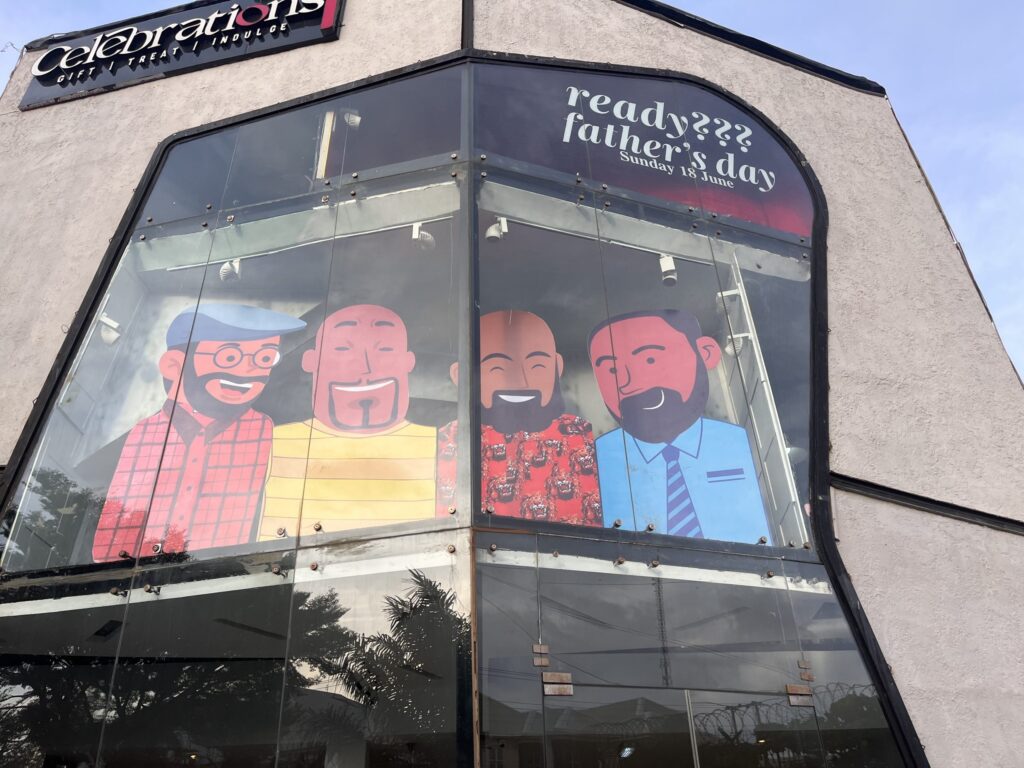
Key Elements of Effective Window Displays
- Visual Merchandising: Use props, lighting, and product placement to create an engaging narrative.
- Brand Identity: Ensure your display reflects your brand’s personality and aesthetic.
- Seasonal Relevance: Incorporate seasonal themes or promotions to keep your display fresh and relevant.
- Designing for Impact
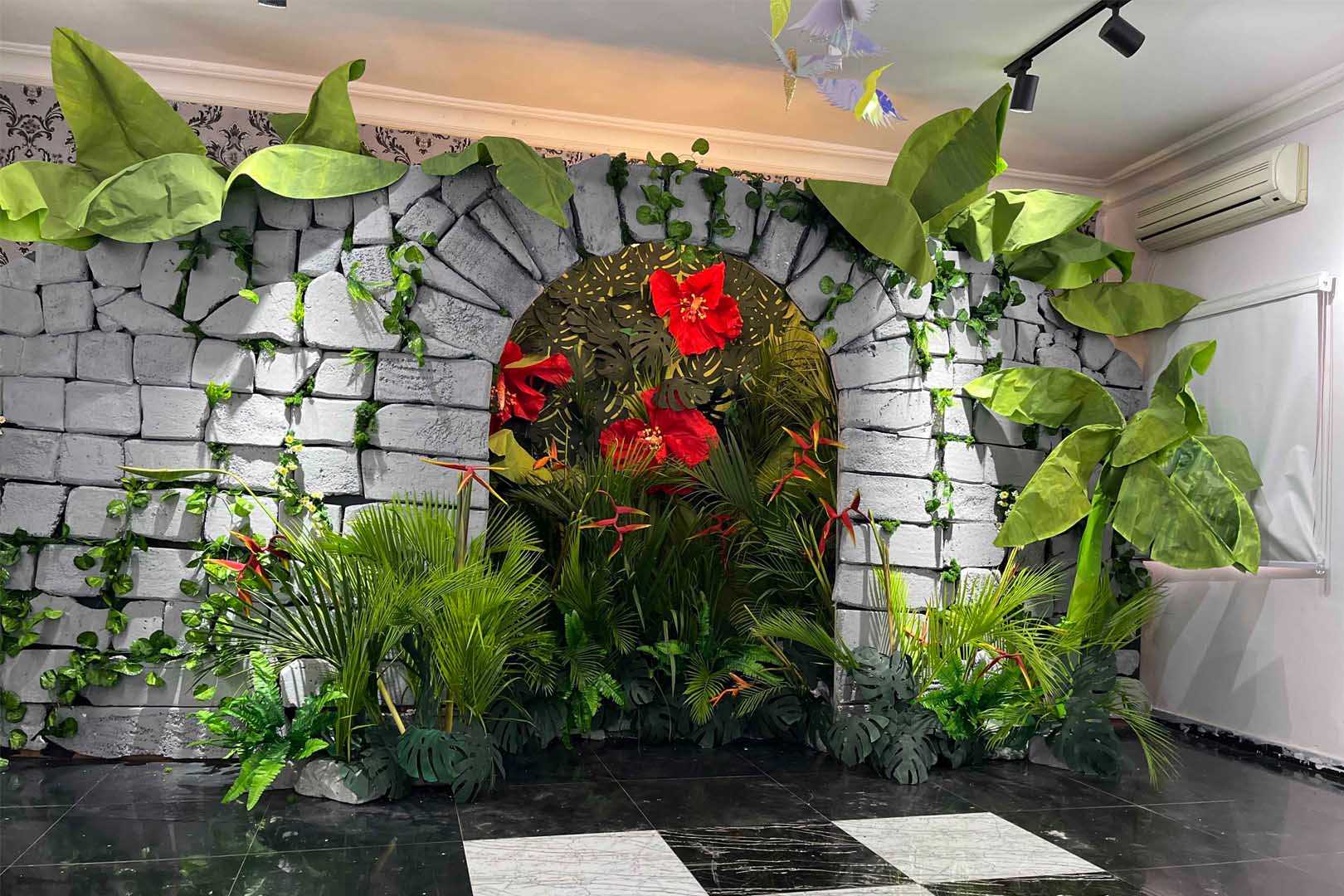
- Start with a Strong Concept: Develop a clear theme or story for your display.
- Use High-Quality Visuals: Invest in professional photography or graphics that showcase your products in the best light.
- Optimize Lighting: Use lighting to highlight key products and create ambiance.
- Keep it Simple: Avoid clutter and focus on a few key products or messages.
- Measuring Success Track metrics like foot traffic, sales, and customer feedback to evaluate the effectiveness of your window display. Use this data to refine future displays and improve performance.
Common Mistakes to Avoid
- Lover Merchandising: Don’t overcrowd your display with too many products.
- Poor Lighting: Ensure your display is well-lit and visible from a distance.
- Lack of Cohesion: Ensure your display aligns with your brand identity and messaging.
Conclusion
A well-designed window display is a powerful tool for attracting customers and driving sales. By understanding your audience, setting clear objectives, and leveraging visual merchandising techniques, you can create displays that captivate and convert.
Get Started on Your Window Display Design! Need help with window display design or visual merchandising? Contact Us for expert assistance.