


The Ultimate Guide to Stage Design for Events: Tips, Trends, and Best Practices
Are you planning an event and want to create a memorable experience for your attendees? Look no further! Stage design is a crucial element in creating an engaging and impactful event. In this guide, we’ll cover everything you need to know about stage design, from planning to execution.
Introduction to Stage Design
Stage design is an art form that combines visual elements, lighting, and sound to create an immersive experience for your audience. A well-designed stage can elevate your event, convey your message, and leave a lasting impression on your attendees.
Key Elements of Stage Design
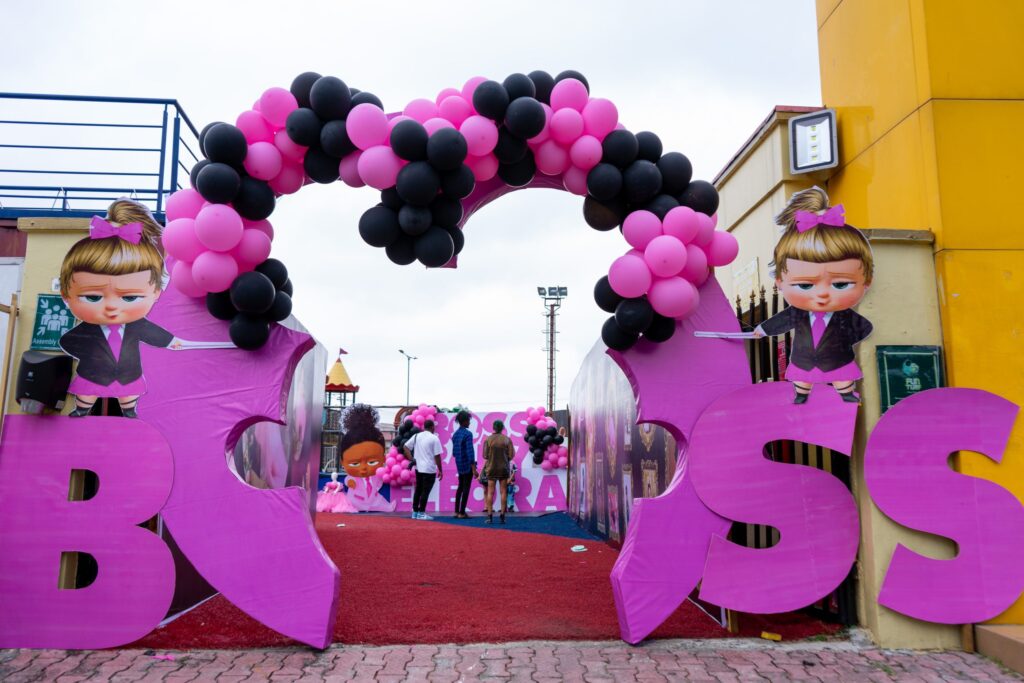
- Layout and Structure: The foundation of your stage design is the layout and structure. Consider the size, shape, and orientation of your stage, as well as the flow of traffic and audience seating.
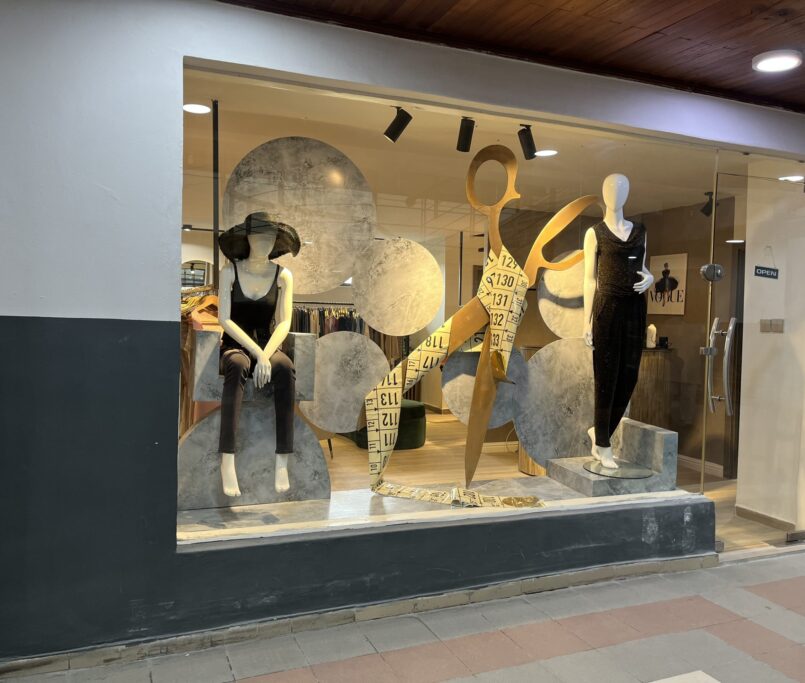
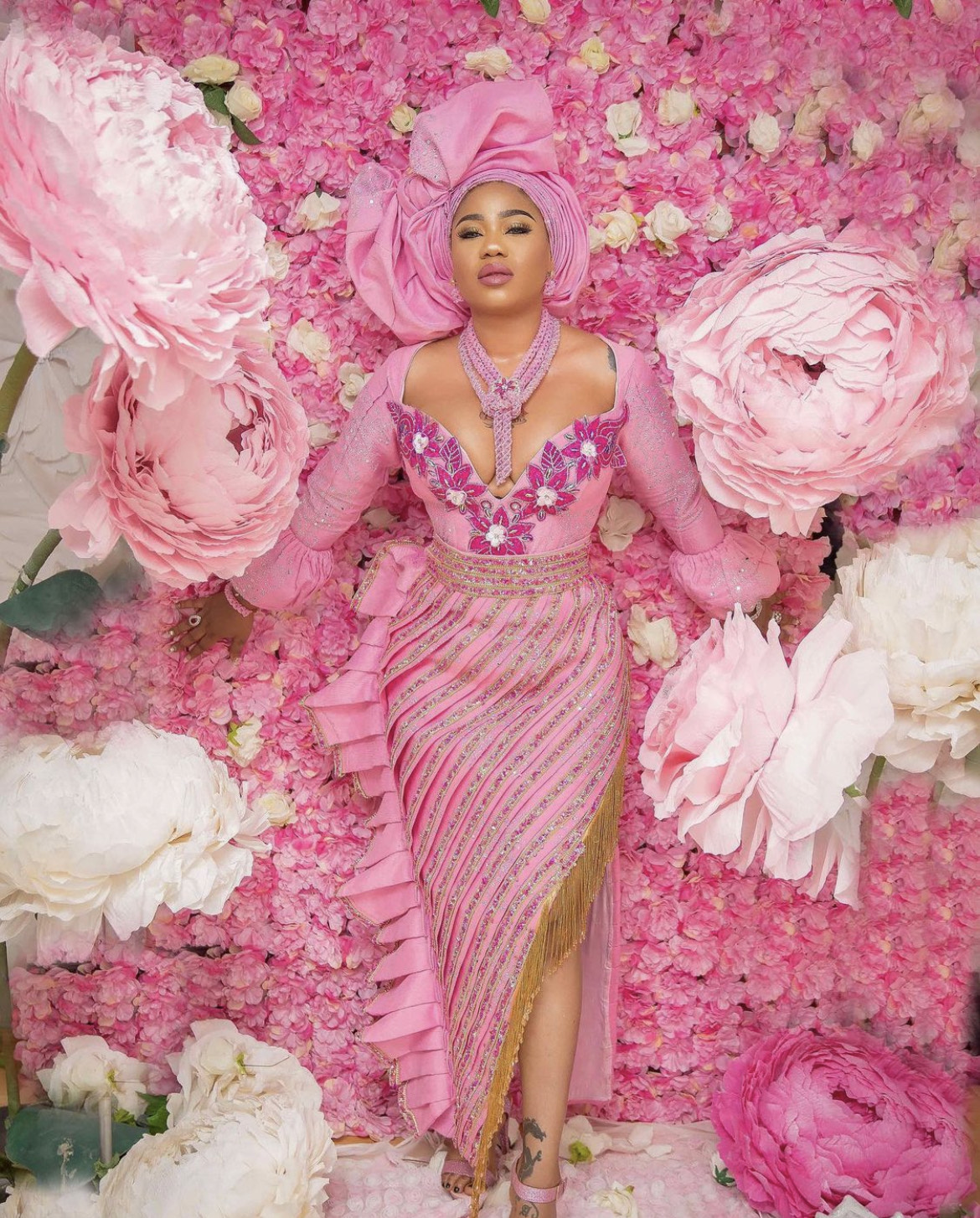
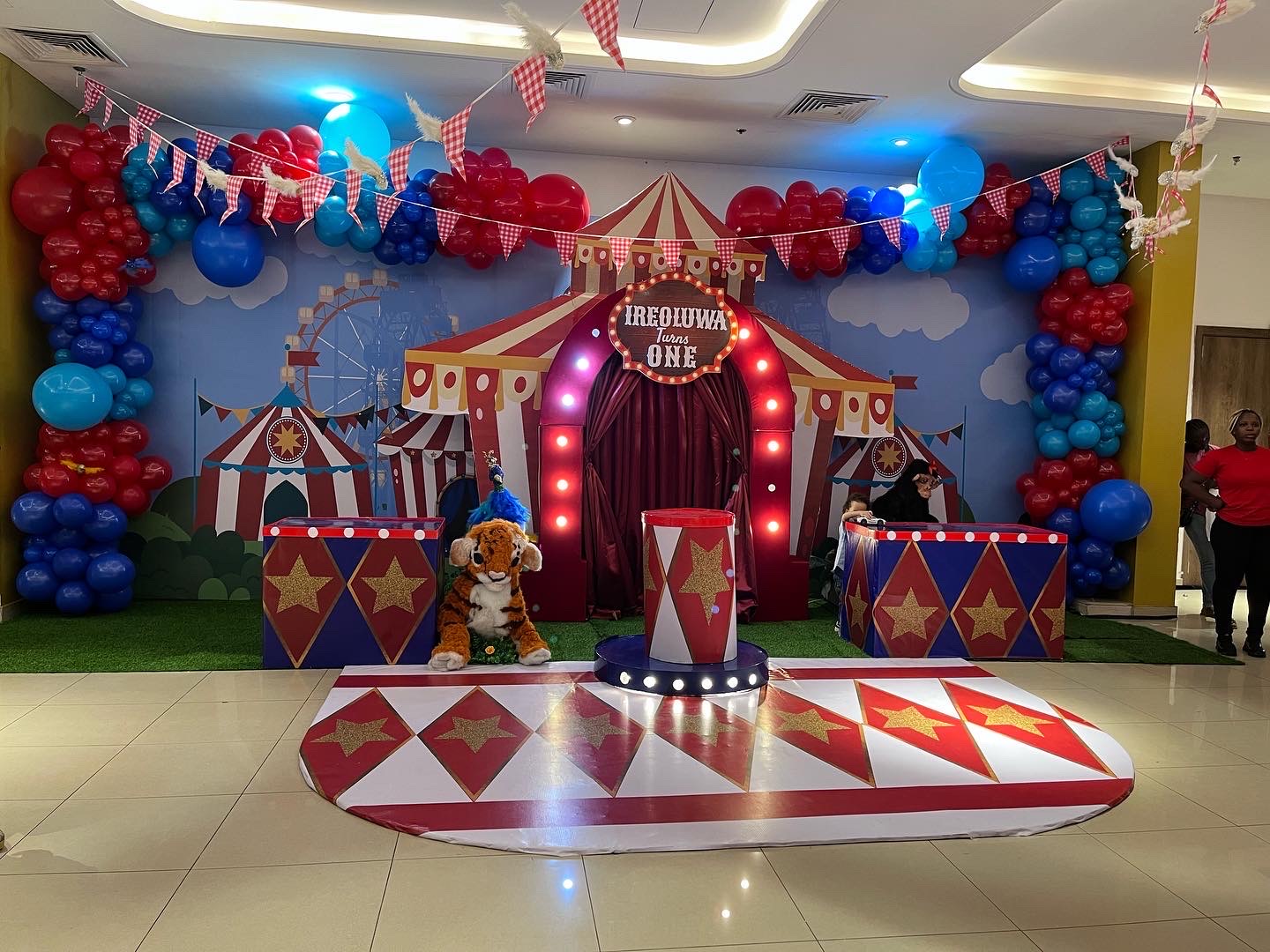
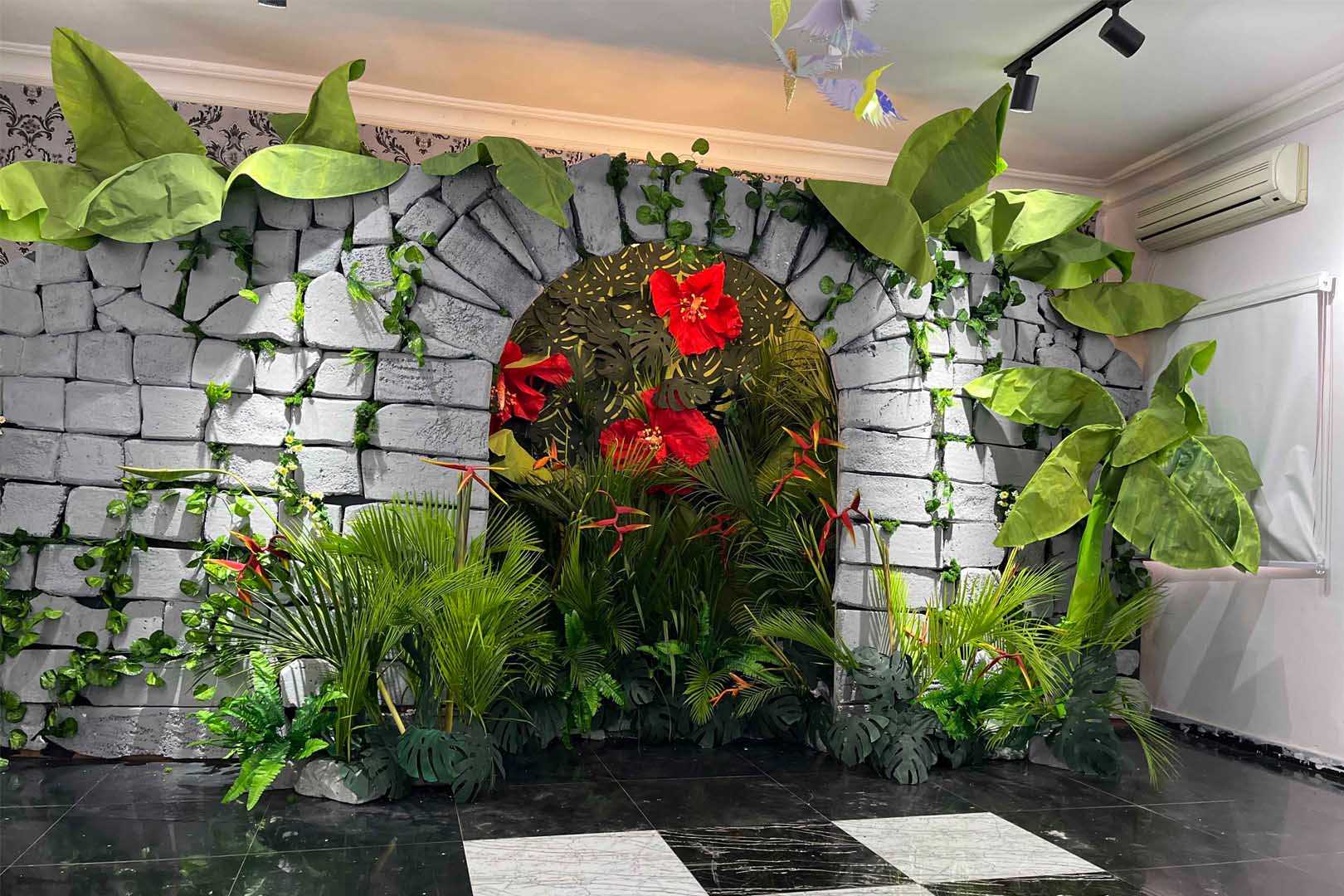
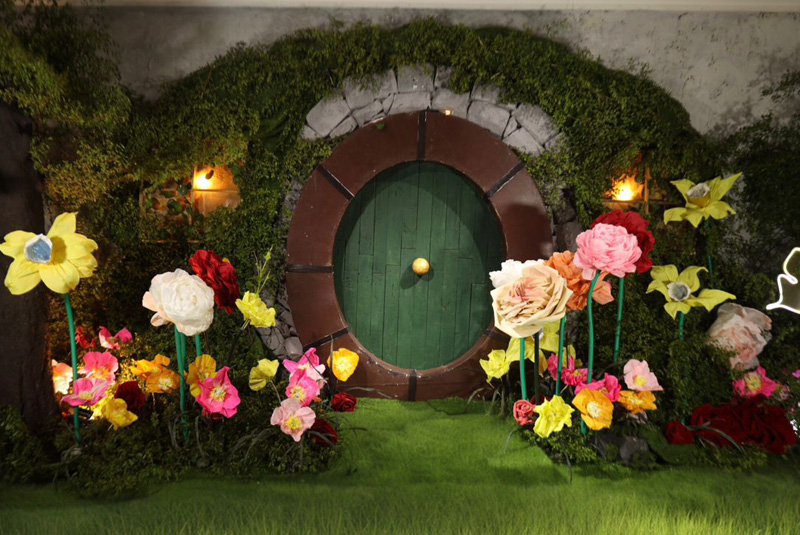
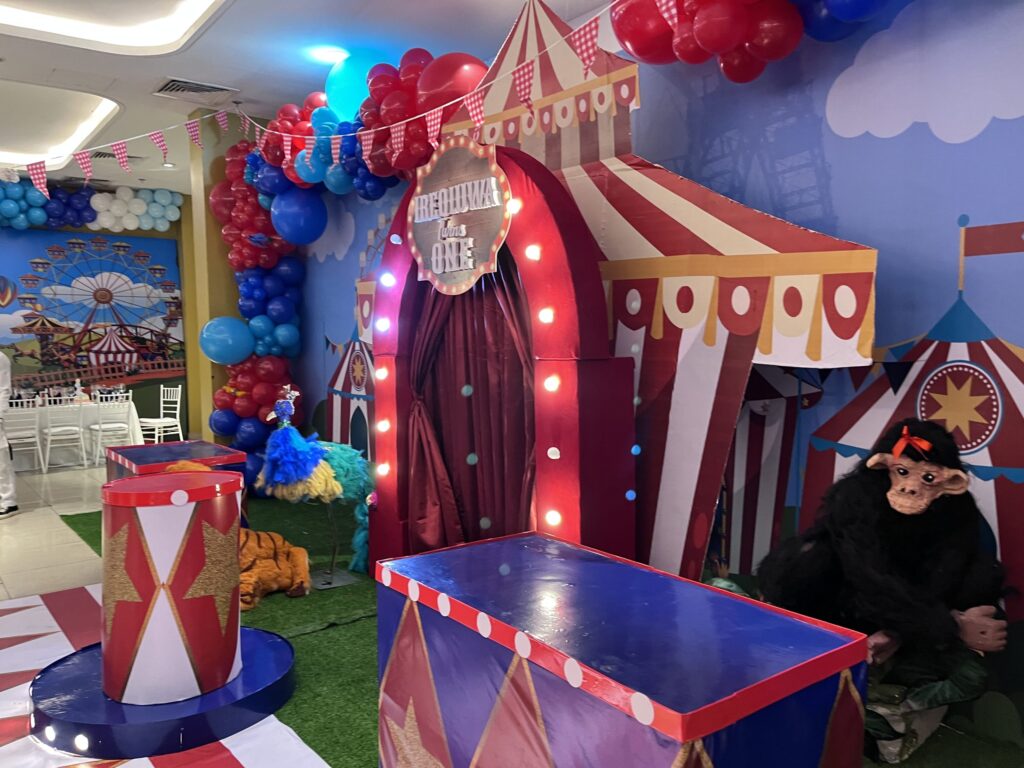
- Visual Elements: Visual elements such as backdrops, props, and graphics add depth and context to your stage design. Choose elements that align with your event theme and brand.
- Lighting: Lighting can make or break the ambiance of your event. Use lighting to highlight key areas, create mood, and guide the audience’s attention.
- Sound: Sound is a critical component of stage design. Ensure that your sound system is top-notch and tailored to your event’s needs.
Planning Your Stage Design
- Define Your Objectives: What do you want to achieve with your stage design? Identify your goals and tailor your design accordingly.
- Know Your Audience: Understand your audience’s preferences and expectations. What type of experience do they want?
- Set a Budget: Establish a budget and stick to it. Prioritize elements that matter most to your event.
- Choose a Theme: Select a theme that aligns with your event’s purpose and brand.
Trends in Stage Design
- Immersive Experiences: Create an immersive experience by incorporating interactive elements and engaging visuals.
- Sustainability: Incorporate eco-friendly elements and sustainable practices into your stage design.
- Technology Integration: Leverage technology such as LED screens, projection mapping, and drones to create a futuristic experience.
Best Practices for Stage Design
- Keep it Simple: Avoid cluttering your stage with too many elements. Keep it simple, yet impactful.
- Be Flexible: Be prepared for unexpected changes and have a backup plan in place.
- Test and Rehearse: Test all elements of your stage design and rehearse your event to ensure a smooth execution.
Conclusion
Stage design is a critical element in creating a memorable event experience. By following these tips, trends, and best practices, you’ll be well on your way to designing a stage that wows your audience.
Get Started on Your Event Planning Journey!
Need help with stage design or event planning? Contact Us for expert assistance.